
This Template Queryselector Example
This Template Queryselector Example - But you should probably have: To locate an element inside of a template you'll need to queryselector using the template's content keyword. To locate elements in the dom without a selector, use refs. Queryselector() returns the first element within the document that matches the specified selector, or group of selectors. So in short, you can only retrieve data attributes in the given example. Queryselectorall() returns a static (not live) nodelist.
To access elements rendered by a component with standard dom apis, use queryselector() with this.template or this. Is it possible to pass a string into this.template.queryselector in an effort to dynamically find whatever you're looking for? Here the {team.item.description__c} field having the dom details and saved in string form into. To locate an element inside of a template you'll need to queryselector using the template's content keyword. This is to prevent accidentally selecting things inside of templates.
Here’s an example of using this.template.queryselector properly in an lwc component: Queryselectorall() returns a static (not live) nodelist. Is it possible to pass a string into this.template.queryselector in an effort to dynamically find whatever you're looking for? To locate an element inside of a template you'll need to queryselector using the template's content keyword.
This.template.queryselector

To return all matches (not only the first), use the queryselectorall() instead. Queryselector() returns the first element within the document that matches the specified selector, or group of selectors. To locate an element inside of a template you'll need to queryselector using the template's content keyword. The this.template.queryselector() call is useful to get access to a child. Elements in a.
This.template.queryselector

To return all matches (not only the first), use the queryselectorall() instead. To access elements rendered by a component with standard dom apis, use queryselector() with this.template or this. So in short, you can only retrieve data attributes in the given example. You can basically use any valid css selector to find a specific element (e.g. To locate an element.
This.template.queryselector

To locate an element inside of a template you'll need to queryselector using the template's content keyword. You can basically use any valid css selector to find a specific element (e.g. Here's an example of what i'm referring to. Elements in a shadow tree cannot be accessed by traditional dom. Currently, i am stuck in a situation to modify the.
This.template.queryselector

You can basically use any valid css selector to find a specific element (e.g. In order to access elements that are rendered by a component, we need to use the template property. To access elements rendered by a component with standard dom apis, use queryselector() with this.template or this. Elements in a shadow tree cannot be accessed by traditional dom..
This.template.queryselector

Here’s an example of using this.template.queryselector properly in an lwc component: To locate an element inside of a template you'll need to queryselector using the template's content keyword. Currently, i am stuck in a situation to modify the dom in lwc using the queryselectorall function. You can basically use any valid css selector to find a specific element (e.g. But.
This.template.queryselector
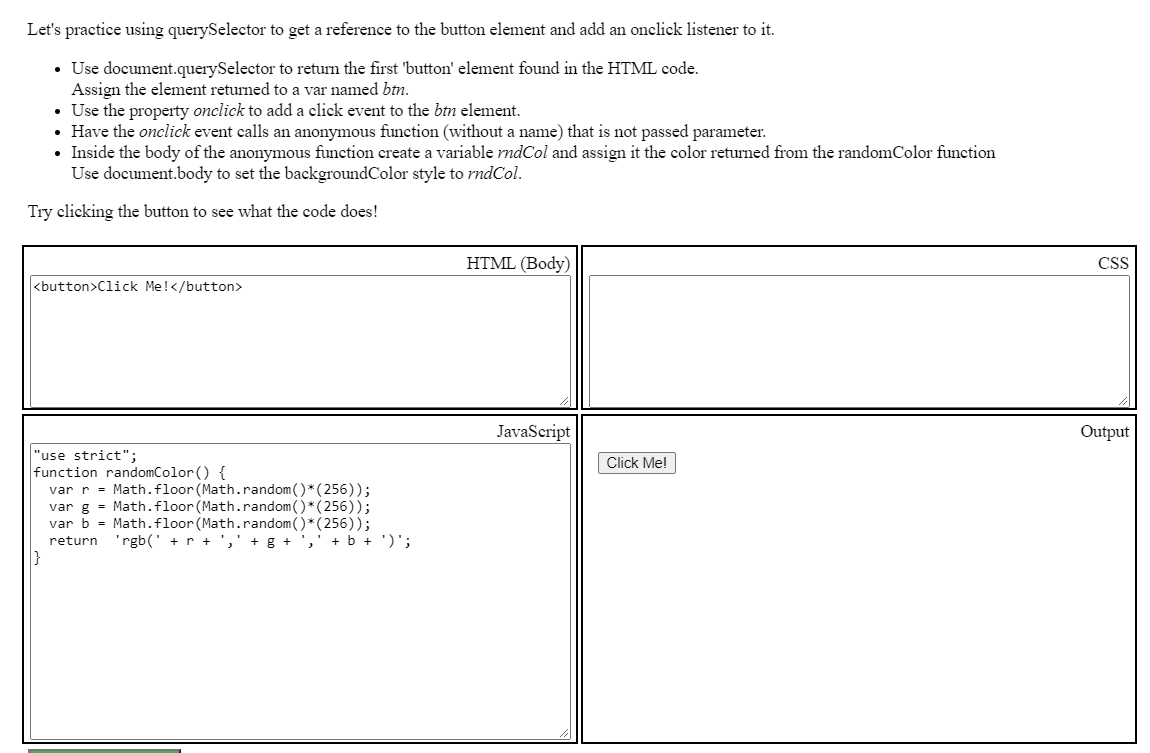
Is it possible to pass a string into this.template.queryselector in an effort to dynamically find whatever you're looking for? To locate an element inside of a template you'll need to queryselector using the template's content keyword. Here's an example of what i'm referring to. To access elements rendered by a component with standard dom apis, use queryselector() with this.template or.
This.template.queryselector

In order to access elements that are rendered by a component, we need to use the template property. Here the {team.item.description__c} field having the dom details and saved in string form into. Queryselector() returns the first element within the document that matches the specified selector, or group of selectors. To access elements rendered by a component with standard dom apis,.
This Template Queryselector Example - The queryselector() method returns the first element that matches a css selector. To access elements rendered by a component with standard dom apis, use queryselector() with this.template or this. To return all matches (not only the first), use the queryselectorall() instead. Here the {team.item.description__c} field having the dom details and saved in string form into. Queryselectorall() returns a static (not live) nodelist. In order to access elements that are rendered by a component, we need to use the template property. This.template.queryselector will only access the dom that the component owns, excluding children component(s) due to the nature of shadow dom. But you should probably have: Queryselector() returns the first element within the document that matches the specified selector, or group of selectors. So in short, you can only retrieve data attributes in the given example.
This is to prevent accidentally selecting things inside of templates. This.template.queryselector will only access the dom that the component owns, excluding children component(s) due to the nature of shadow dom. In order to access elements that are rendered by a component, we need to use the template property. Queryselector() returns the first element within the document that matches the specified selector, or group of selectors. Elements in a shadow tree cannot be accessed by traditional dom.
The This.template.queryselector() Call Is Useful To Get Access To A Child.
Here's an example of what i'm referring to. Currently, i am stuck in a situation to modify the dom in lwc using the queryselectorall function. To locate an element inside of a template you'll need to queryselector using the template's content keyword. To return all matches (not only the first), use the queryselectorall() instead.
The Queryselector() Method Returns The First Element That Matches A Css Selector.
So in short, you can only retrieve data attributes in the given example. Queryselectorall() returns a static (not live) nodelist. Here’s an example of using this.template.queryselector properly in an lwc component: In order to access elements that are rendered by a component, we need to use the template property.
Is It Possible To Pass A String Into This.template.queryselector In An Effort To Dynamically Find Whatever You're Looking For?
Queryselector() returns the first element within the document that matches the specified selector, or group of selectors. This is to prevent accidentally selecting things inside of templates. This.template.queryselector will only access the dom that the component owns, excluding children component(s) due to the nature of shadow dom. You can basically use any valid css selector to find a specific element (e.g.
Here The {Team.item.description__C} Field Having The Dom Details And Saved In String Form Into.
To locate elements in the dom without a selector, use refs. To access elements rendered by a component with standard dom apis, use queryselector() with this.template or this. Elements in a shadow tree cannot be accessed by traditional dom. But you should probably have: